Advice to help you live your healthiest life, covering fitness, nutrition, mental health, self-care and much more.
Sep 29, 2026
One of the Truth and Reconciliation Commission’s 94 Calls to Action is to increase the number of Indigenous health-care providers, including doctors. Organizations such as the Canadian Medical Association and the Indigenous Physicians Association of Canada have called on medical schools to recruit and admit more Indigenous learners.
Part of that work includes recognizing and reducing systemic barriers in the pre-admissions stage that have historically excluded Indigenous learners. Currently less than one per cent of doctors in Canada are Indigenous, despite Indigenous people making up about five per cent of the population. It also means medical schools must provide culturally safe and respectful support for Indigenous medical students throughout their program.
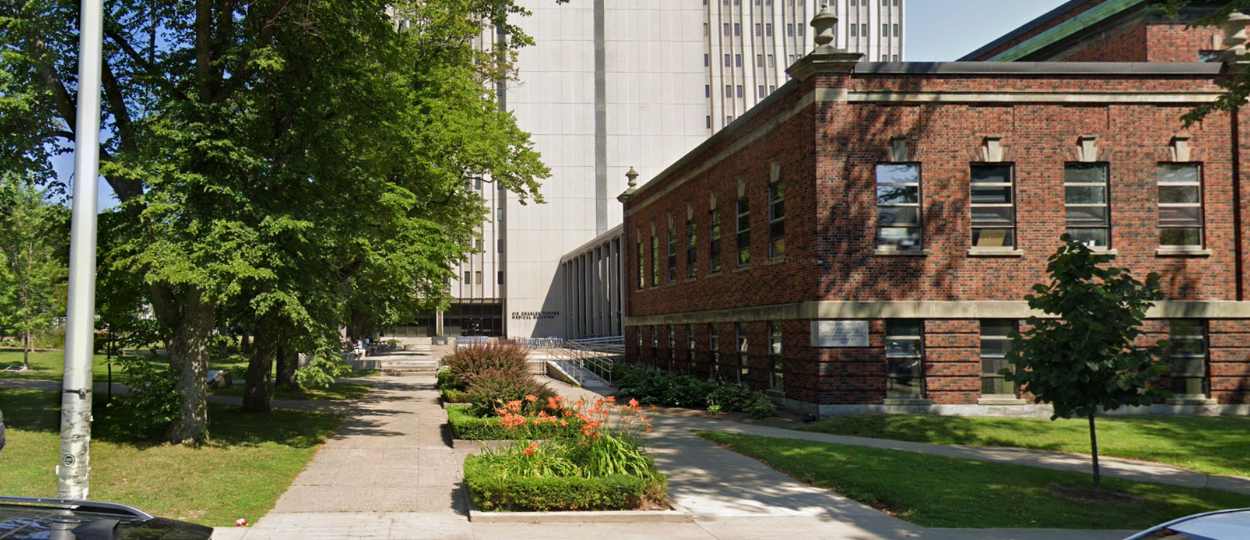
The Indigenous Admissions Pathway, announced in 2022, is part of Dalhousie Medical School’s commitment to education equity for Mi’kmaw, Wolastoqiyik, Peskotomuhkati and other Indigenous people. Much more than a dedicated admissions stream, the pathway helps to mitigate socioeconomic disadvantages faced by Indigenous applicants.
“In medicine, it’s common that people come from a higher socioeconomic status and already have doctors in their family but Indigenous students are often the first in their family to be doing this,” said Faith Julien, program manager for Indigenous Health in Medicine at Dalhousie (Keknu’tmasiek Ta’n Tel Welo’ltimk, which means We are learning to be well in Mi’kmaw).
The admissions process is overseen by an Indigenous Admissions Subcommittee, which includes Indigenous Elders, physicians, medical students and residents, faculty and community members. Mindful of anti-Indigenous racism in healthcare and the harmful legacy of colonization, the subcommittee uses a holistic file review. This means no single component of an application is enough to disqualify an applicant, and applicants have the chance to address any concerns throughout the process.
Support for students who come through the Indigenous Admissions Pathway continues throughout their medical education. Etuaptmumk, or the Two-Eyed Seeing approach, places equal value on Indigenous and Western worldviews.
“When they’re in med school, they’re focused on a Western curriculum,” said Ms. Julien. Students typically leave their communities to pursue their studies, and some are reconnecting with their culture. It is vital to provide access to ceremony, opportunities to practise their culture, and connection to Elders and knowledge keepers.
Keknu’tmasiek Ta’n Tel Welo’ltimk also provides financial assistance. That could be as simple as covering the cost of scrubs for third-year students or Dalhousie Medical Student Society-branded clothing, explained Ms. Julien, which reinforces a feeling of belonging. Professional membership fees, bursaries, travel grants and scholarships are also available, giving students the opportunity to connect with other Indigenous medical learners and professionals at conferences.
“What’s so special about the Indigenous Physicians of Canada gathering, for example, is that they do a day on the land, they connect with Elders, and they get to do different cultural activities along with two or three hundred other Indigenous students and physicians.”
This is the first year where Dalhousie Medical School has students from the Indigenous Admissions Pathway in each of its four years, for a total of 42 learners. The first cohort will graduate in 2027.
WANT MORE INFORMATION ON HEALTHY LIVING AND HEALTH-CARE DELIVERY SENT DIRECTLY TO YOUR INBOX? SUBSCRIBE TO OUR NEWSLETTER TO GET ALL OF OUR CONTENT FIRST!