Advice to help you live your healthiest life, covering fitness, nutrition, mental health, self-care and much more.
Mar 17, 2026
As conflict intensifies in Iran and violence spreads across the region, members of the Iranian community living abroad are facing a difficult, unsettling time.
Canada has one of the largest expat Iranian communities in the world, including many physicians who now provide patient care here in Nova Scotia.
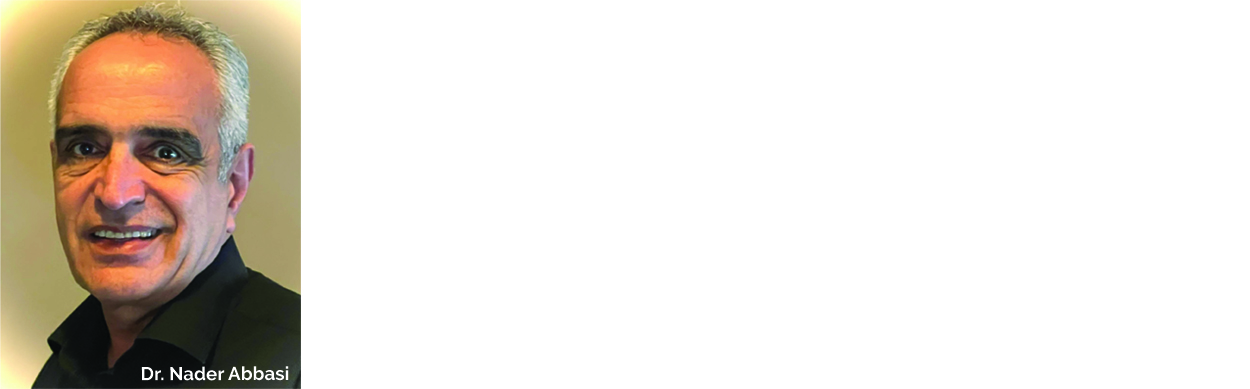
Dr. Nader Abbasi is a psychiatrist who practises at the Colchester East Hants Health Care Centre in Truro. With the ongoing upheaval, he worries about his family and friends in Iran. “It’s stressful for everybody living away from home and then hearing the news of war,” said Dr. Abbasi. “The distance doesn’t reduce the stress – it just intensifies it somehow.”
The situation has been unfolding for months. In late December, Iranians took to the streets protesting the country’s flagging economy. The demonstrations grew across the country and evolved into a movement calling for the end of the Islamic Republic of Iran that rules the country.
By January, amid a phone and internet blackout, the regime cracked down and killed thousands of people and injured tens of thousands more. It also arrested and jailed physicians for simply treating injured protestors.
Dr. Abbasi says it’s been difficult hearing about the circumstances facing colleagues back home. “Physicians have been punished for providing the medical care they’ve been trained to do.”
Born and raised in Jiroft, a small community in southern Iran, Dr. Abbasi studied medicine in Iran before moving to the United Kingdom in the 1990s for specialty training. He lived in the U.K. with his wife and daughter until the family moved to Truro in 2020. Most of their extended families still live in Iran.
“The physician community was so welcoming in Nova Scotia. It’s been easy to connect with my colleagues, including ones from different parts of Iran. They help me stay in touch with my culture and what’s happening in the country. At the same time, you become part of their day-to-day life. You hear about their anxieties and worries.”
The crisis in Iran deepened at the end of February, when U.S. and Israeli forces began bombing the country. During the current crisis, Dr. Abbasi is helping to support his colleagues – who, he says, carry a collective emotional burden.
“Being a Farsi-speaking psychiatrist allows me to hear more from them in our first language about their difficulties and their worries. It makes connections easier. I provide as much support as I can.”
They stay in touch via texts, calls and through a physician group on WhatsApp, sharing updates about their families and friends.
“Physicians are doing their professional jobs – teaching, seeing patients, attending meetings – and at the same time, they’re worried about their families and friends back home. It’s important for people to understand what they are going through and for my Iranian colleagues to reach out for support.”
Leaning on each other is making a difference. “The support we provide for each other and the gatherings that we have within our community all help, as well as the acknowledgment from our colleagues and patients.”
At this time of year, Iranians usually celebrate Nowruz, which marks the Persian New Year. Meaning “new day” in Persian, the ancient celebration takes place on the Spring equinox (this year, on March 20) and traditionally includes 13 days of gatherings, meals, and visits with family and friends.
Dr. Abbasi normally celebrates by gathering with family and friends, enjoying traditional Iranian foods, such as sabzi polo ba mahi, a rice dish prepared with fresh herbs and fish. “Normally you would be on the phone with family abroad throughout the day,” he said. “But this year, the internet has been cut off for weeks, making it extremely difficult for many families to reach loved ones, ensure they are safe and share New Year wishes.”
Though celebrations will look different this year, Dr. Abbasi hopes the holiday will still carry its deeper meaning and signal a new beginning. “Nowruz is about renewal and hope. Even in difficult times, it reminds us that a new day can come and it’s important to hold on to that hope.”
————-
The Doctors Nova Scotia Professional Support Program is a resource for physicians and medical learners in Nova Scotia, providing confidential peer support and advice. Physicians can contact Katelyn Junus, physician wellness navigator, to learn more about the program and other support that can help during difficult times.
WANT MORE INFORMATION ON HEALTHY LIVING AND HEALTHCARE DELIVERY SENT DIRECTLY TO YOUR INBOX? SUBSCRIBE TO OUR NEWSLETTER TO GET ALL OF OUR CONTENT FIRST!